By clicking “Accept all”, you agree to storing cookies on your device to enhance site navigation, analyze site usage, and assist in our marketing efforts. More information can be found on "Manage cookies".
When you visit any website, it may store or retrieve information on your browser, mostly in the form of cookies. These “cookies” of information might be about you, your preferences, or your device, and they’re mostly used to make the site work as you expect it to. Cookies don’t usually directly identify you, but they can give you a more personalized web experience. Because we respect your right to privacy, you can choose not to allow some types of cookies. Click on the category headings to read more or change your default settings. (Note: Blocking some types of cookies may impact your experience on our site, as well as the services we can offer you.)
These cookies are necessary for our website to function and can’t be switched off in our systems. They’re set for you behind the scenes when you do things such as log in, fill out forms, make a request for services, or set your privacy preferences. You can set your browser to block or alert you about these cookies, but some parts of our site won’t work without them.
+Functional Cookies
These cookies enable our website to work smoothly and in a manner personalized to you. They may be set by us or by third-party providers whose services we’ve added to our pages. For example; downloading a customer service form using PDF. If these cookies are blocked, then some or all of these services may not function.
+Performance Cookies
These cookies allow us to count how many times people visit our website, and how they get here, so we can measure and improve its performance. They show us which pages are the most (and least) popular, and how visitors move around on the site when they’re here. If you don’t allow performance cookies, we have less information about how to improve our sites that will be useful to you.
+Marketing Cookies
These cookies may be set through our site by our advertising partners. They may be used by those companies to build a profile of your interests and show you relevant advertisements on other sites. If these cookies are blocked, you will experience less targeted advertising.
Everything But the Airplane: Why Aviation Infrastructure Requires a Fully Integrated Approach
At commercial airports, military airfields, and cargo hubs, aircraft operations depend on a network of interconnected systems working continuously behind the scenes.
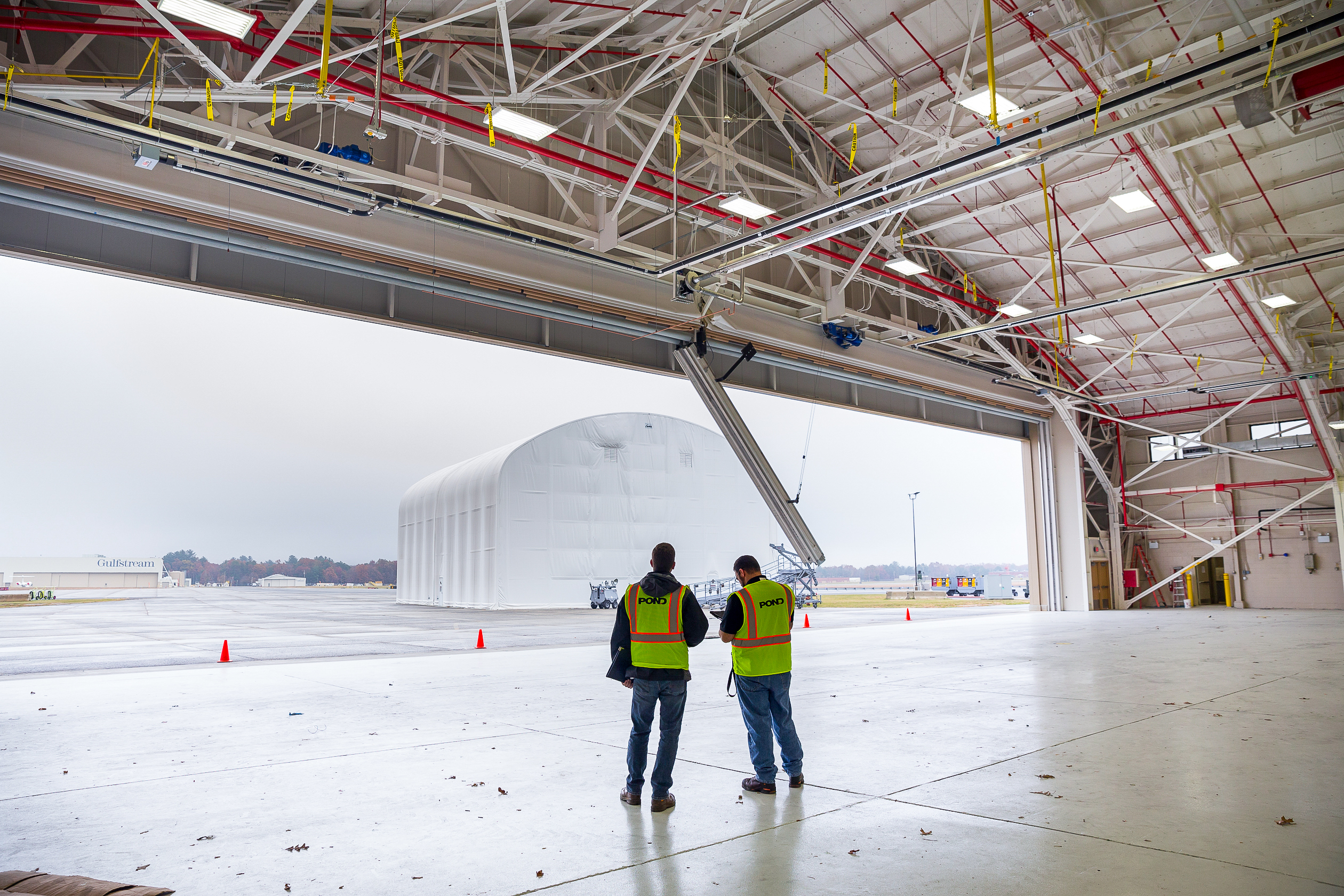
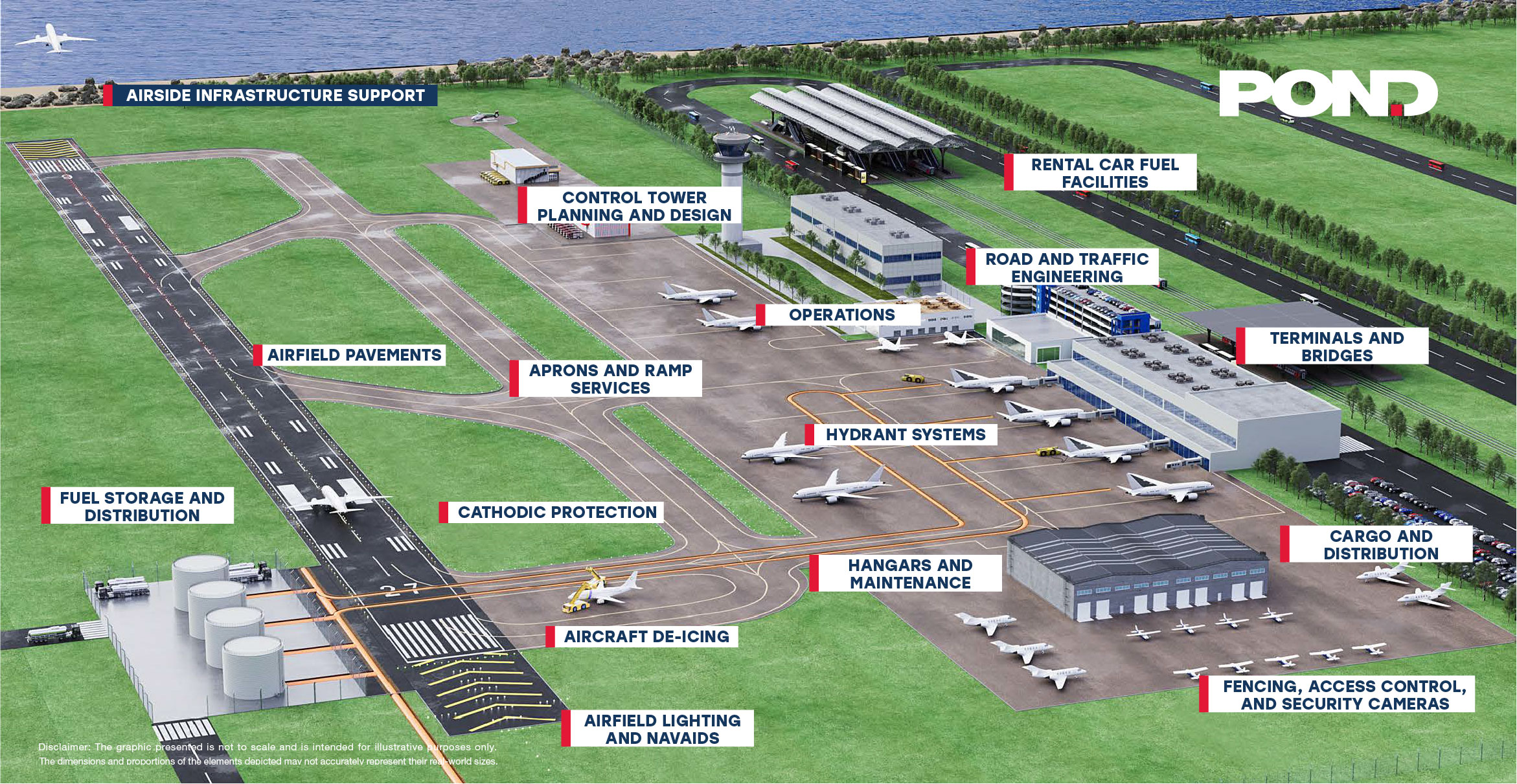
The journey through an airport is relatively straightforward. What may go unnoticed by passengers on their journey is the fuel storage and hydrant systems, airfield lighting, taxiways, drainage infrastructure, hangars, fire protection systems, utilities, and environmental controls all operating simultaneously to support safe and efficient flight operations. While the aircraft is the most visible asset on the airfield, the infrastructure surrounding it is what enables air travel.
As airports modernize and expand, these systems are becoming more interconnected. Planning and delivering aviation infrastructure now requires a coordinated, cross-disciplinary approach that recognizes how each system affects the others.
By aligning disciplines early and maintaining coordination throughout delivery, Pond’s approach is designed to support infrastructure that performs reliably long after a project is complete.
Aviation Infrastructure as an Interconnected System
Airside and landside infrastructure are structurally and operationally linked to function as a tightly regulated ecosystem. Even when projects appear independent on the surface, broader impacts might impact service or connectivity.
Because these systems overlap, isolated design decisions create a rippling effect. Addressing aviation infrastructure holistically during planning and design helps clarify how utilities, structural systems, fuel networks, electrical distribution, and regulatory requirements interact across the airfield.
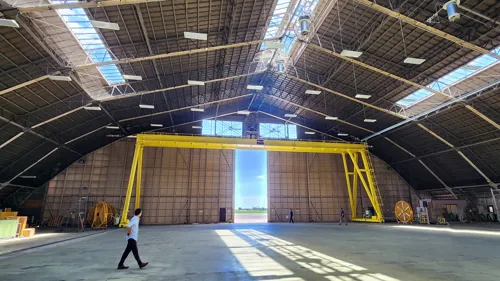
Runway rehabilitation may require adjustments to lighting circuits and navigational aids. A hangar expansion can affect apron geometry, trigger height and clearance requirements, drainage design, and fire suppression systems.
A fuel facility upgrade may trigger environmental permitting reviews, corrosion control updates, and changes to utility distribution. In addition, aircraft traffic movements and operation impacts must be preplanned and mitigated.
When coordination happens early, airports are better positioned to manage risk during construction and long-term performance after commissioning.
Fuel Infrastructure: Where Interdependencies Become Critical
Fuel systems illustrate how interconnected aviation infrastructure truly is.
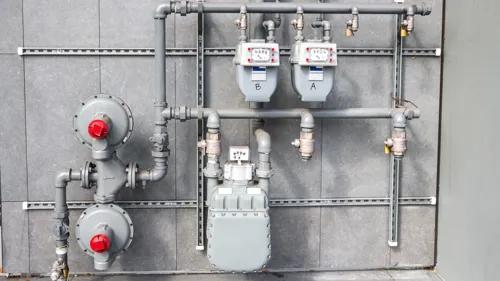
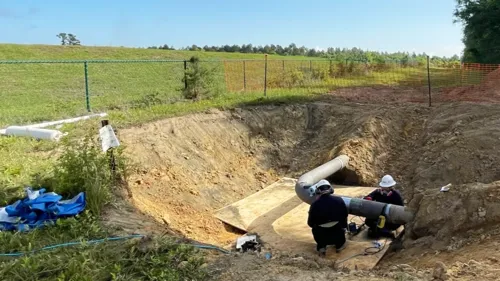
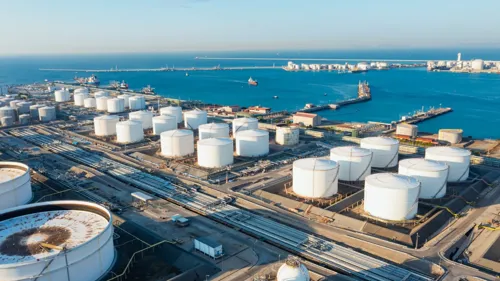
Expanding a fuel farm is not a simple tank replacement or pumping upgrade. The system is made up of several components including pipelines, storage tanks, filtration and quality control, and fuel hydrant delivery systems at the aircraft gates to maintain constant flow. This supply chain serves as a cornerstone of airport operations.
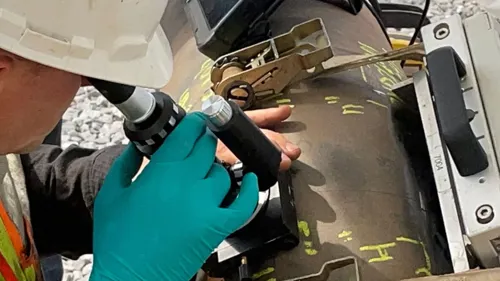
With significant financial investments and rigorous safety regulations in place, it’s critical to understand storage capacity needs and forecasted demand. Cathodic protection and coatings strategies also influence long-term asset integrity and useful life. Fire protection systems play a critical role and must reflect evolving code requirements.
Changes to one component, such as adding storage volume, impact hydraulics, environmental containment, electrical loads, safety systems, and regulatory documentation. In major hub environments, these upgrades may also be concurrent with runway construction, roadway relocation, or airfield utility adjustments.
Because fuel systems operate at the intersection of civil, mechanical, electrical, environmental, and fire protection engineering, they often serve as the clearest example of why aviation infrastructure cannot be delivered in silos.
Construction in Active Operational Environments
Aviation infrastructure projects are typically delivered within active, high-security environments. Airfields remain operational and fuel systems remain online. Passenger and cargo movements continue as planned.
This creates a project environment where coordination across systems is as important as technical design. Phasing strategies must account for flight operations, security protocols, utility continuity, and safety requirements simultaneously.
Construction management, permitting, engineering, and commissioning activities are interconnected in the same way the physical systems are. A change in one area, such as schedule adjustments tied to operational windows, can influence utility tie-ins, inspection sequencing, and system testing.
Recognizing these relationships early supports smoother project delivery and reduces risk across the project lifecycle.
Integrated Aviation Engineering Across Project Scales
Whether at a major hub or a regional airfield, aviation infrastructure projects typically involve overlapping technical considerations.
Common disciplines engaged across aviation programs include:
Civil and airfield engineering
Fuel system design and hydrant system infrastructure
Electrical distribution and NAVAIDs
Structural and hangar design
Fire protection engineering
Corrosion control and asset integrity
Environmental permitting and water resources
While the scale of a project may vary, the need for alignment across disciplines remains consistent.
Projects that acknowledge these interdependencies early are better positioned to support long-term growth and resilience.
Conclusion: Designing the Systems That Support Flight
Aircraft operations depend on infrastructure systems that are largely invisible to passengers but essential to airport performance. Fuel networks, lighting systems, drainage infrastructure, hangars, environmental controls, and fire protection systems work in coordination with one another.
As airports respond to growth, modernization, and regulatory evolution, infrastructure decisions increasingly affect multiple systems at once. Recognizing aviation infrastructure as an interconnected network, rather than a collection of independent projects, supports more informed planning, reduced operational disruption, and stronger lifecycle outcomes.
Pond’s multidisciplinary aviation teams work across architecture, engineering, environmental services, fuel system design, corrosion control, fire protection, and construction management to help airport authorities, airlines, FBOs, and federal clients navigate this complexity.

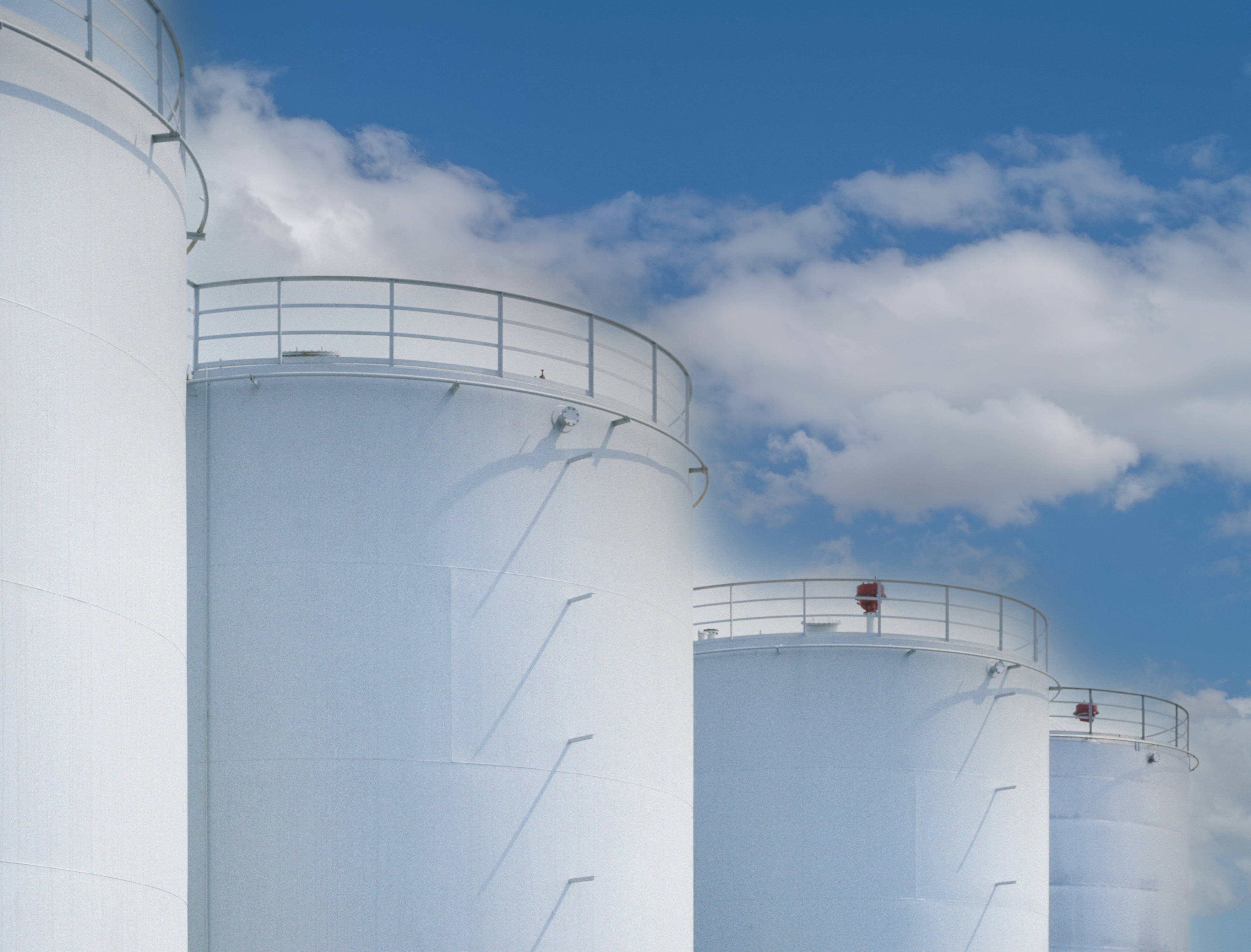 Fuel systems illustrate how interconnected aviation infrastructure truly is.