Resilient infrastructure in the digital age encompasses an integrated system of physical and digital assets, which requires uninterrupted electricity to power it. Yet, for the Louisiana National Guard (LANG), years of exposure to hurricanes, flooding, and power disruptions have underscored a persistent challenge: aging electrical systems not fully equipped to meet modern resiliency demands. Uninterrupted power at LANG training facilities is vital to sustaining its electrical infrastructure and operational continuity, especially in a state frequently impacted by extreme weather.
At Camp Beauregard, also known as Training Center Pineville, reliable access to power became the mission of a multi-year partnership between Pond and the LANG Construction and Facilities Management Officer (CFMO). From statewide planning to detailed design, Pond’s work focused on a single objective: strengthening electrical reliability and energy resiliency across one of the state’s most critical National Guard installations.
What began as a comprehensive energy and water planning initiative evolved into the development of a blueprint for modernization and an integrated approach designed to power readiness for decades to come.
Designing Louisiana’s Energy and Water Roadmap
Pond commenced work on the Louisiana Army National Guard (LAARNG) Installation Energy and Water Plan (IEWP), a statewide roadmap to enhance energy security, resilience, and sustainability across all ARNG facilities.
The IEWP outlined clear goals, actionable strategies, and five-year implementation timelines for energy and water management at every training, maintenance and armory site statewide. To build this living framework, Pond’s planning team conducted site visits, remote assessments, and stakeholder workshops — all while Louisiana faced three hurricanes, a devastating freeze, and the start of what would become a global pandemic.
Through these challenges, the IEWP created the foundation for Camp Beauregard’s transformation. It provided not only a technical strategy for energy assurance but also an adaptable roadmap for future modernization projects aligned with Army, DoD, and National Guard Bureau guidance.
The Camp Beauregard Energy Resiliency Study
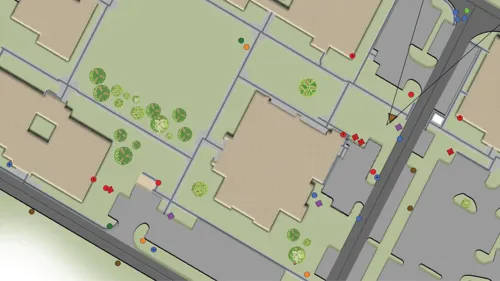
With the roadmap established, Pond advanced to the next phase with the Camp Beauregard Energy Resiliency Study. This effort aimed to identify vulnerabilities within the base’s existing electrical infrastructure and design a phased improvement plan that enhanced energy reliability and mission resilience.
Pond’s planners and engineers led a comprehensive planning and design process that included an on-site planning charrette with the CFMO and Facility Engineering team. Together, they evaluated 67 critical facilities, analyzed utility data, and reviewed backup generation capabilities to prioritize key infrastructure upgrades.
The study introduced seven principal Reliability and Resiliency (R&R) strategies, each designed to enhance the installation’s electrical backbone:
- Establish Alternate Power Sources – Create a central generator plant and a secondary utility feed for redundancy.
- Implement District Generation – Add localized generator banks to sustain key operations.
- Increase Looping and Sectionalization – Enable flexible routing and fault isolation during outages.
- Harden Infrastructure – Underground vulnerable lines and replace aging poles.
- Install Quick Connect Tap Boxes – Allow rapid generator deployment to critical facilities.
- Deploy Automatic Transfer Switches (ATS) – Streamline emergency power activation.
- Meter All Critical Facilities – Enable real-time visibility into energy use and system loads.
Pond also performed a life cycle cost analysis (LCCA) comparing backup generation options, ranging from centralized natural gas systems to distributed diesel or hybrid configurations. This rigorous analysis helped the Guard weigh efficiency, maintenance, and resilience against cost to deliver a strategy that aligned with both mission priorities and long-term sustainability.
Camp Beauregard Electrical Infrastructure Modernization
Before implementation began, the findings from Pond’s comprehensive energy resiliency study served as a critical roadmap for modernization. The study’s phased recommendations focused on decentralization, redundancy, and system hardening, and directly informed the electrical infrastructure modernization plan. This transition marked a shift from strategic planning to tangible progress, as Pond’s engineering team began transforming resilience strategies into on-the-ground improvements across Training Center Pineville.
Phase 1: Establishing the Foundation
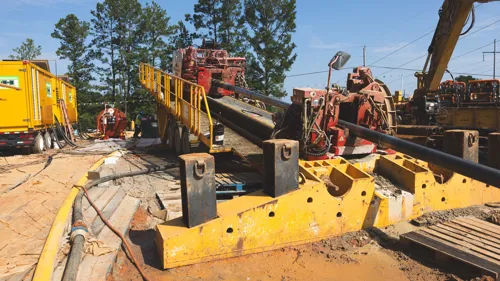
Following the resiliency study, Pond’s electrical engineering team launched the first phase of the On-Post Distribution Resiliency Project. The scope included replacing overhead lines with underground 15kV cabling, installing new switching cabinets, and upgrading service structures.
These improvements eliminated vulnerable aerial connections along Louisiana Highway 116 and consolidated service feeds to improve reliability. The project also integrated quick-connect generator systems for key facilities, allowing rapid power restoration during outages.
Phase 2: Expanding the Backbone
The second phase enhanced Camp Beauregard resiliency with the installation of over 4,000 linear feet of underground primary electrical systems and multiple pad-mounted transformers.
The phase two design replaced aging aerial systems, introduced concrete-encased duct banks, and connected approximately 20 facilities to the new underground grid. The project was coordinated with other ongoing energy initiatives and adhered to utility provider Cleco’s commercial design standards and Louisiana National Guard guiding principles, allowing for seamless funding and implementation.
Phase 3: Completing the Loop
The final phase will complete the base’s electrical backbone, adding sectionalizing switches, a 50-kW natural gas generator at a vital lift station, and strategic upgrades to transformers and feeders.
By reconfiguring key portions of the network and adding redundancy points, Pond’s design will further harden the system against single-point failures. All work aligns with federal, state, and local codes, as well as local utilities to maintain safe and reliable service throughout construction.
A Model for Modern Military Infrastructure
Camp Beauregard’s modernization represents more than a series of electrical upgrades; it’s a demonstration of how integrated planning and engineering can deliver lasting resiliency.
By connecting a strategic IEWP with on-the-ground design and phased execution, Pond created a scalable model that other National Guard installations can replicate. The result is a system that not only withstands Louisiana’s most severe weather events but also supports evolving defense missions with flexibility, efficiency, and foresight.
This project underscores Pond’s commitment to supporting the U.S. military’s infrastructure modernization goals and helping installations strengthen operational readiness through innovative, data-driven engineering solutions.
Conclusion: Designing Readiness for the Future
For the Louisiana National Guard, electrical resiliency is more than infrastructure—it’s mission assurance. Through strategic planning, technical design, and collaborative execution, Pond’s multi-year partnership has delivered a resilient energy foundation for Camp Beauregard and a model for future modernization efforts across the National Guard network.
Pond’s integrated approach to energy resiliency and infrastructure modernization continues to help defense clients power readiness for tomorrow. Learn more about Pond’s electrification, modernization, and mission readiness capabilities.