By clicking “Accept all”, you agree to storing cookies on your device to enhance site navigation, analyze site usage, and assist in our marketing efforts. More information can be found on "Manage cookies".
When you visit any website, it may store or retrieve information on your browser, mostly in the form of cookies. These “cookies” of information might be about you, your preferences, or your device, and they’re mostly used to make the site work as you expect it to. Cookies don’t usually directly identify you, but they can give you a more personalized web experience. Because we respect your right to privacy, you can choose not to allow some types of cookies. Click on the category headings to read more or change your default settings. (Note: Blocking some types of cookies may impact your experience on our site, as well as the services we can offer you.)
These cookies are necessary for our website to function and can’t be switched off in our systems. They’re set for you behind the scenes when you do things such as log in, fill out forms, make a request for services, or set your privacy preferences. You can set your browser to block or alert you about these cookies, but some parts of our site won’t work without them.
+Functional Cookies
These cookies enable our website to work smoothly and in a manner personalized to you. They may be set by us or by third-party providers whose services we’ve added to our pages. For example; downloading a customer service form using PDF. If these cookies are blocked, then some or all of these services may not function.
+Performance Cookies
These cookies allow us to count how many times people visit our website, and how they get here, so we can measure and improve its performance. They show us which pages are the most (and least) popular, and how visitors move around on the site when they’re here. If you don’t allow performance cookies, we have less information about how to improve our sites that will be useful to you.
+Marketing Cookies
These cookies may be set through our site by our advertising partners. They may be used by those companies to build a profile of your interests and show you relevant advertisements on other sites. If these cookies are blocked, you will experience less targeted advertising.
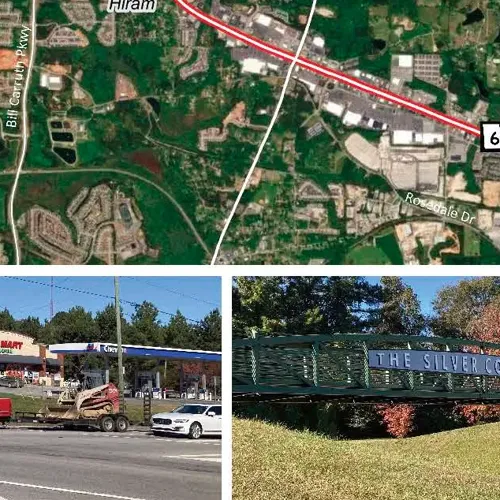
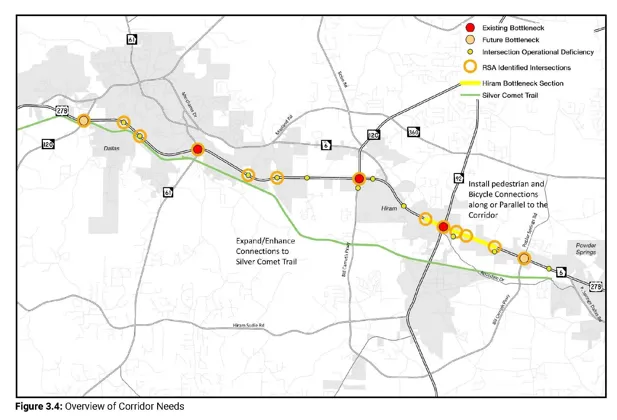
Pond conducted a scoping study for Paulding County concerning US 278/SR 6, a critical transportation artery essential for long-distance travel and facilitating access to residential and commercial areas. The primary objectives were to enhance mobility, improve safety, and provide better pedestrian access along the study area.
The study encompassed several critical analyses: 1. Crash Data Analysis: Identifying high-risk locations along the corridor. 2. Roadway Safety Audit: Conducted at ten intersections to assess safety measures. 3. Traffic Forecasting: Evaluating existing and future land use, historical growth trends, and ARC Travel Demand Model data. 4. Capacity Analysis: Comparing existing conditions with projected scenarios. 5. Public Engagement: Both in-person and online methods were used to gather feedback. 6. Alternative Assessment: Considered options such as widening the roadway, implementing access management improvements (e.g., RCUT or Right-In/Right-Out configurations), and exploring parallel alternative routes.
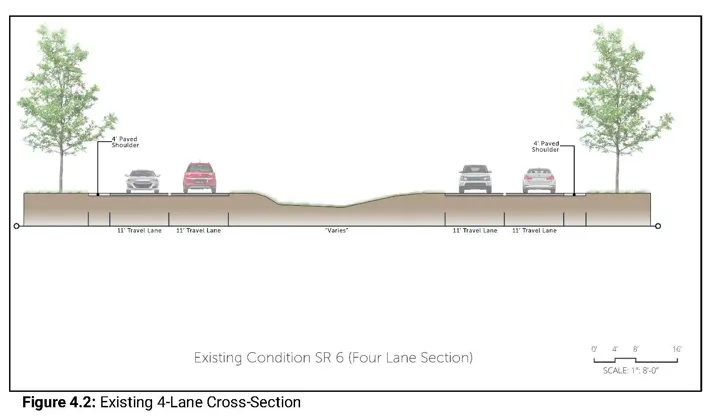
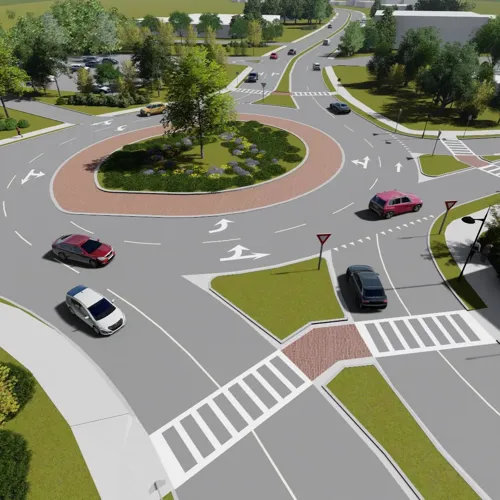
Upon selecting a preferred alternative, Pond developed typical sections, conceptual designs for major intersections, and cost estimates. The study also included a concept design layout, a GDOT Style Concept Report, and cost projections. Key highlights of the study included a comprehensive safety review, including a focused audit of the top ten crash locations. Extensive online engagement efforts, featuring an interactive comment map through Social Pinpoint, facilitated public input and transparency throughout the planning process. By employing rigorous analysis and extensive community involvement, Pond aimed to provide Paulding County with informed recommendations to enhance transportation infrastructure and safety along US 278/SR 6.